
Statesboro Address History Sources
No single roll spans the life of a Statesboro house. The right source depends on the period and whether the question concerns an owner, an occupant, a building change, or a family link. Start with the newest dependable record and work backward. That order keeps two people with the same name from being joined by guesswork.
| Source | Years or benchmarks | Where held | What it shows |
|---|---|---|---|
| Deed index | State system since 1999; older books vary | GSCCCA and Bulloch clerk | Owners, transfers, legal descriptions |
| Polk address guides | 1959, 1962, 1964 online | Digital Library of Georgia | Occupants and firms by address |
| Federal census | Public through 1950 | Library and genealogy services | Household members and relationships |
| Sanborn maps | 1908, 1913, 1922, 1930, 1946 | Library of Congress | Footprint, use, materials, street context |
| Permits and code files | Ask city for available span | Statesboro Planning | Work dates and parties in the file |
For the oldest trail, names, land districts, deed books, plats, and legal descriptions may matter more than a house number. Bulloch County dates to 1796, while early records predate modern street addressing. A Statesboro postal label can also reach beyond the city, so confirm jurisdiction before sending a request.
Start Statesboro Records With Parcels
The Bulloch County qPublic property search accepts an owner, location address, or parcel number. A result can separate the physical, or situs, address from the owner’s mailing address. It can also show parcel facts, recent sales, a deed pointer, and a map link. The roll is not a title opinion, and an owner is not always an occupant. Still, it supplies the most stable key for previous-resident research.
Write down the parcel ID, exact owner spelling, deed reference, and legal description. Check whether adjoining lots share one owner. A past structure could have occupied more than one present parcel, while a corner lot may now use a different street number. The land description is a safer bridge across such changes than an address alone.
- Situs address
- The physical location used on the tax roll.
- Legal description
- Recorded words or plat references that identify the land.
- Parcel
- A mapped unit of land with its own tax identifier.
Walk Bulloch Deeds Backward
The Bulloch County Clerk of Superior Court records Statesboro land transfers. The GSCCCA Real Estate Index searches deeds, liens, and plats by county, party name, role, type, book and page, instrument number, and filing dates. The statewide electronic floor begins January 1, 1999. Older Bulloch material may be loaded unevenly, so that date does not promise every local image begins there.
- Find the current parcel card and copy its deed pointer, owner, parcel ID, and legal description.
- Open the indexed purchase deed. Confirm the land, then note the seller, called the grantor.
- Search that seller as a grantee, the party who received title, to find the earlier purchase.
- Repeat the handoff. Track book, page, date, and exact legal description at each link.
- When the web trail ends, use the clerk terminal or bound grantor and grantee indexes.
The clerk is at 20 Siebald Street in Statesboro and accepts focused inquiries by email, mail, or at the counter. Give a name, case number or deed book and page, plus contact details. The office states three to five business days for records requests. Ask how posted copy charges apply to the exact document.
- Grantor
- The party transferring an interest in land.
- Grantee
- The party receiving that interest.
- Chain of title
- The linked series of transfers for the same land.
Cross Statesboro’s Digital Cutoff
Remote access is only one channel. GSCCCA supplies free real-estate terminals in county clerks’ offices, while some web image and print functions require an account or charge. Limited access may show only an index summary. A deed image can carry the prior-deed reference, return address, preparer, witnesses, and land description that separate similar names.
Ask for the oldest searchable Bulloch index and image before relying on an online gap. Then move to index books, deed books, plats, microfilm, and the Georgia Archives catalog. The 1807 courthouse burned in 1864, yet that event does not prove every early record vanished. Surviving books and archive county cards must be checked series by series.
Date Changes at Statesboro Houses
Ownership dates do not show when a building appeared, expanded, changed use, or disappeared. Statesboro Sanborn fire-insurance maps supply five firm benchmarks. Their sheets show footprints, building material, height or use, and period street-number context. Read the key for each edition because its symbols and colors carry the detail.
Planning and Development can add permit or code files keyed to a precise address and date range. No verified public historic address index was found. Ask through the city for an existing file, with permit number, type, issue and final dates, applicant or owner shown, valuation, and inspection outcome if present. The city need not create a house history that it does not keep.
Process: parcel and land description → deed dates → Sanborn footprint → permit file → directory occupant.
Match Statesboro Past Households
Deeds name owners, not everyone who lived there. Digitized R.L. Polk editions contain Statesboro street and avenue guides for 1959, 1962, and 1964. Look up the street, move through house numbers, and record each household or business, phone, and owner or tenant mark. The full collections belong with the Statesboro city directory material; here they serve as three dated views of one address.
- Check the address in each Polk street guide and preserve the spelling and number.
- Compare the 1959 entry with the 1950 public census by surname, household, and nearby names.
- Use 1962 and 1964 to mark arrivals, departures, widow notation, and use changes.
- Test the match in newspapers, deeds, probate, or another independent record.
The 72-year census closure makes 1950 the newest public schedule in 2026. An omission is not proof that a person was absent. Students, renters, rural-route households, and people listed under initials may be hard to see.
Statesboro History Files Add Names
The Statesboro-Bulloch County Library holds newspaper microfilm back to 1899 and a large genealogy collection. Its Public History Files contain more than 1,000 items, indexed online and in a wooden cabinet near the Genealogy office. Search the folder list for the street, subdivision, church, school, business, and each surname. Small clippings often explain an address change that land records do not.
A 2025 program documented the library’s obituary card catalog and free Preserving Legacies help.
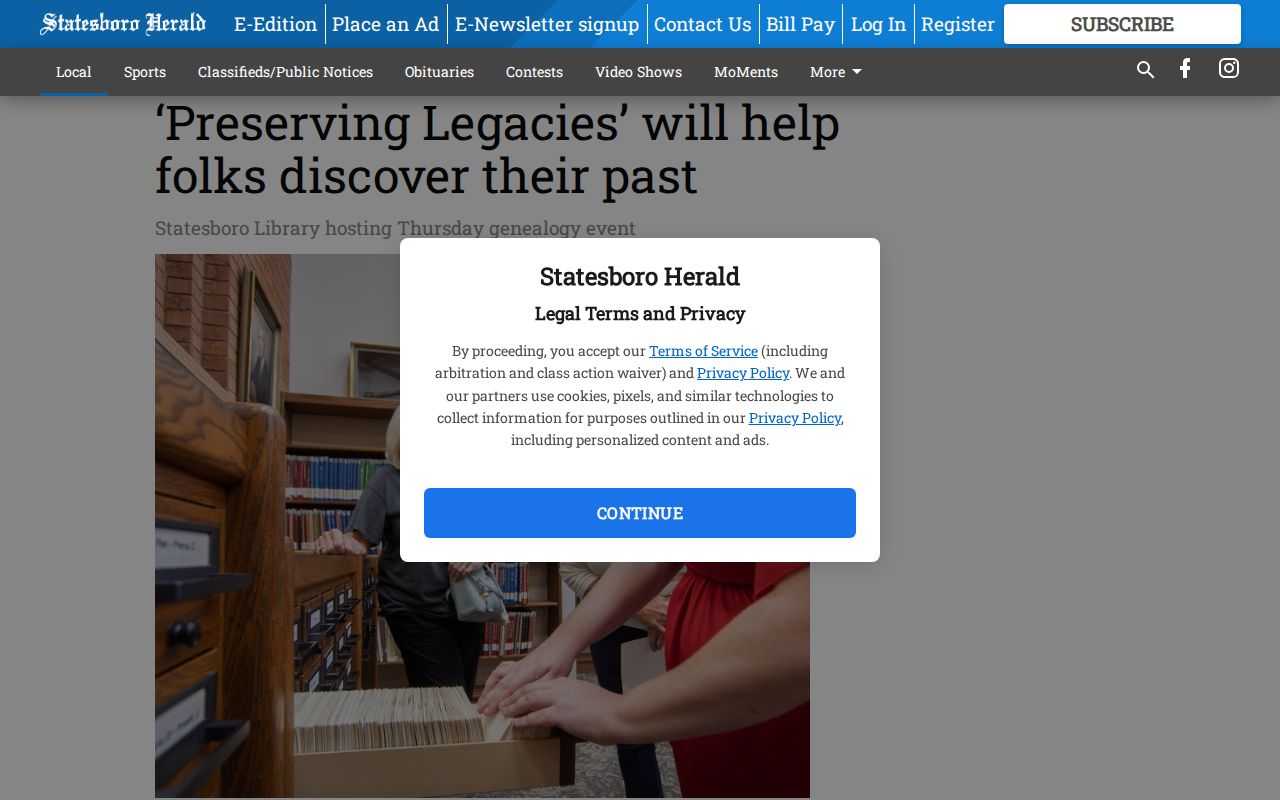
The program route points researchers toward local staff and obituary cards that may close a household trail.
Request Missing Statesboro Records
When no index exists, request a named record from the custodian. Georgia agencies must respond within three business days, though production may take longer. A written request should identify the office, record type, address or name, and a sound date span. Agencies need not make a directory or compile facts that no existing record contains.
The state’s open-records overview explains timing and fees.
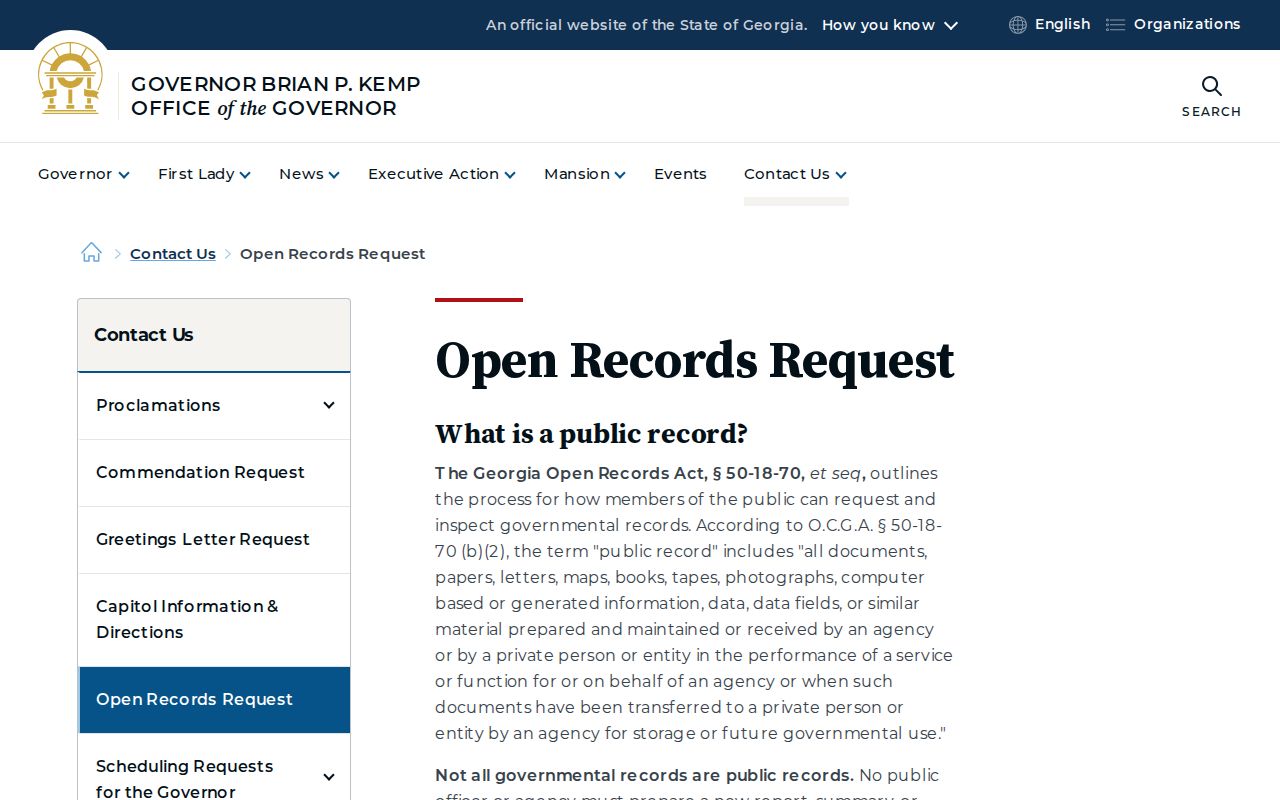
The overview sets expectations before a focused city or county request.
The Attorney General’s request guidance adds practical wording.
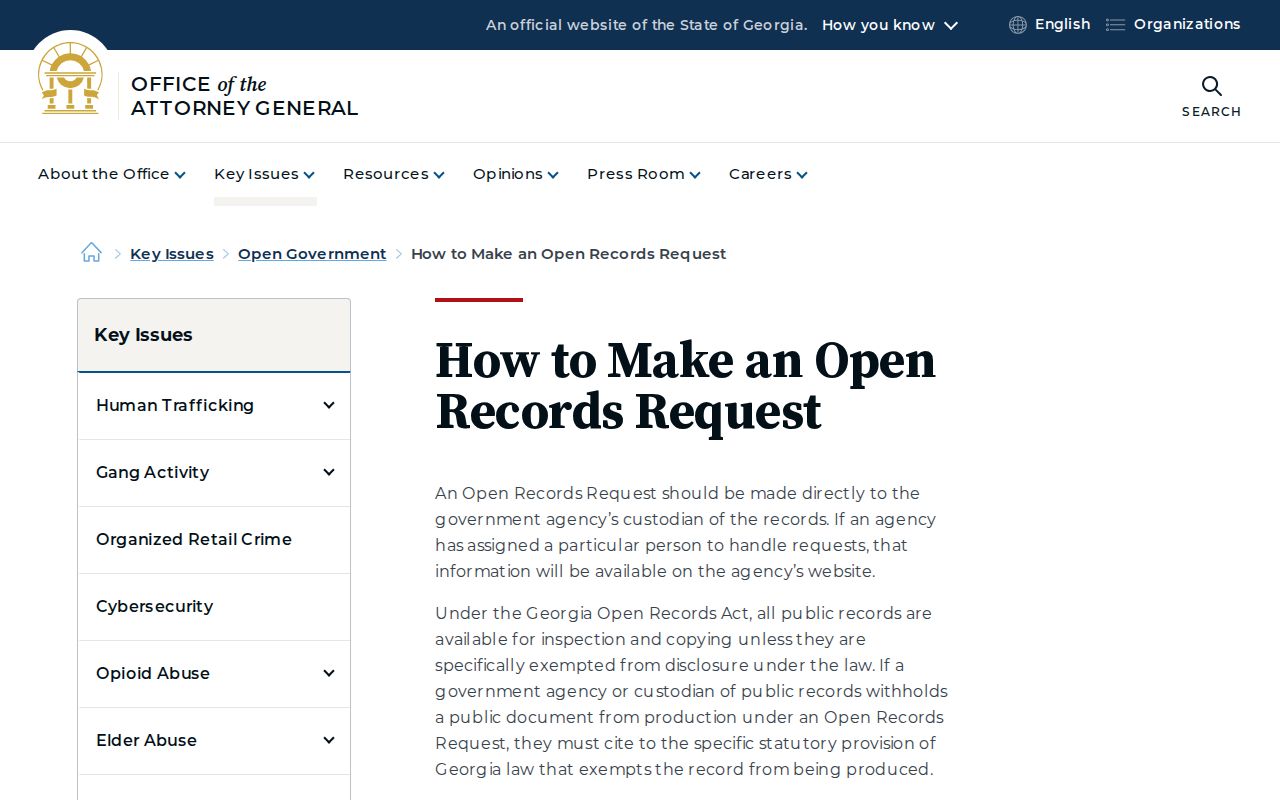
Its model helps request existing permit, deed, or city files without asking staff to do research.
Finish Statesboro Resident Trails
Obituaries and probate files can connect a deceased owner to relatives, an executor, and later property events. Search newspaper microfilm, then ask Bulloch Probate Court for the public estate file. A filing may name a decedent and representative, but sealed and protected portions remain closed. Do not infer an heir from one shared surname.
Eastside Cemetery has a purchaser register keyed to section, block, and lot. The cemetery records page explains it.
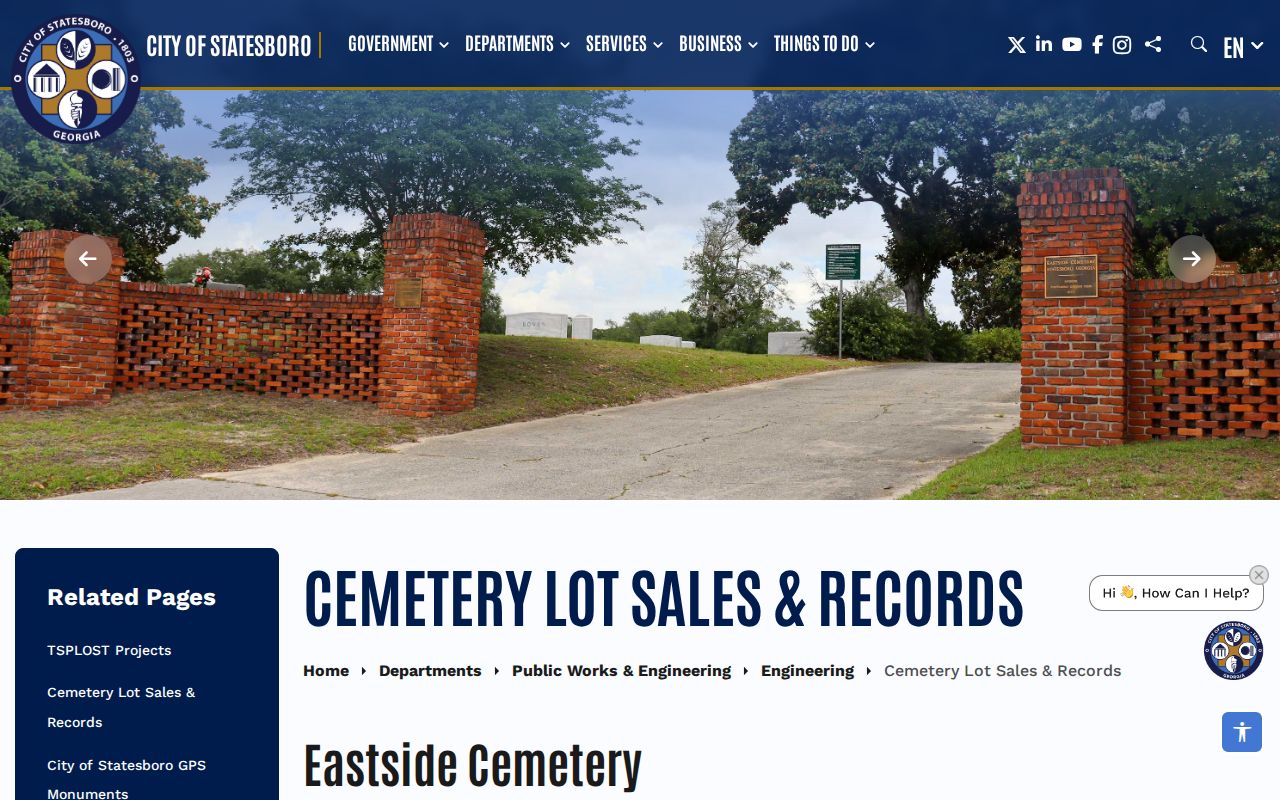
The lot key can separate same-name families, but purchaser and interred person may differ.
For an eligible certificate request, Georgia DPH lists channels and identity rules on its vital-record request page.
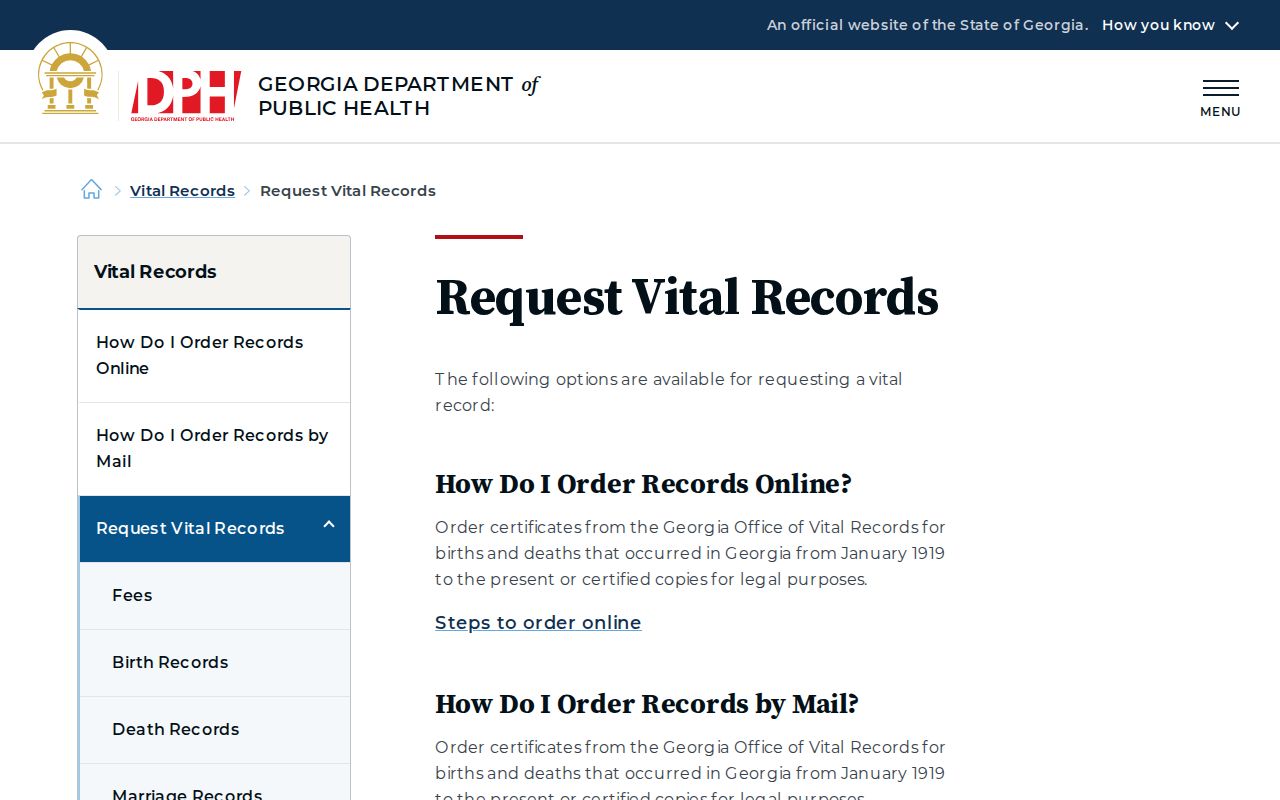
That route is not a public address directory, and restricted records need proof of eligibility.
Use Previous Residents Records Lawfully
House history, family research, estate work, and civic study are sound uses. Living people still have privacy rights. Birth records, protected voter addresses, sealed cases, motor-vehicle data, utility accounts, and private member lists do not become public because an address is known.
A public owner name does not prove who lives in the house. Keep ownership, occupancy, mailing, and family ties as separate claims unless another record joins them.
Lawful use. Research previous residents for a legitimate personal purpose. Never use a record trail to follow, intimidate, harass, or expose a living person.